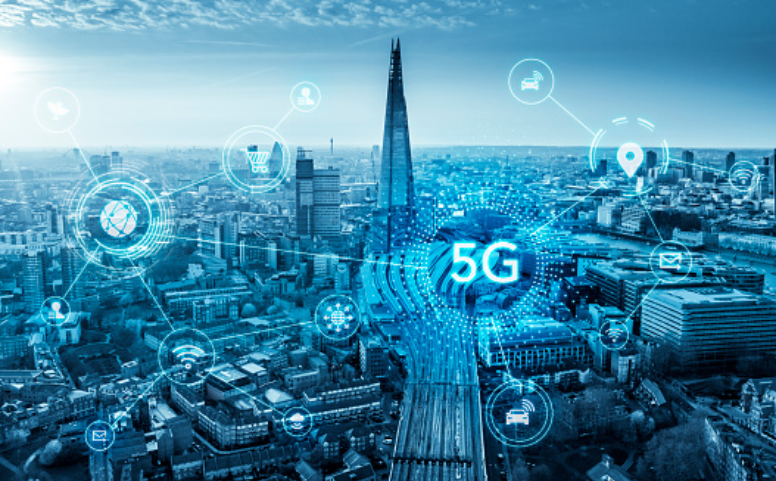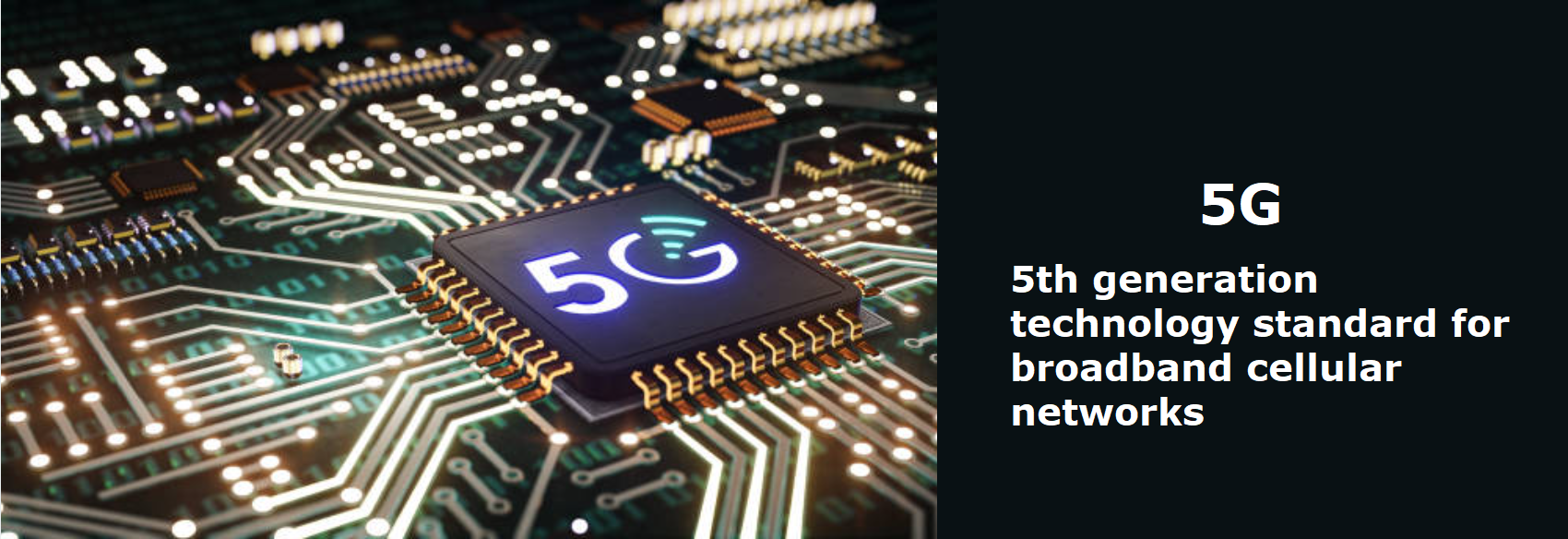
It is a new global wireless standard after 1G, 2G, 3G, and 4G networks. 5G enables a new kind of network that is designed to connect virtually everyone and everything together including machines, objects, and devices.
1980s: 1G delivered analog voice.
Early 1990s: 2G introduced digital voice (e.g. CDMA- Code Division Multiple Access)
Early 2000s: 3G brought mobile data (e.g. CDMA2000).
2010s: 4G LTE ushered in the era of mobile broadband.
5G is a unified, more capable air interface. It has been designed with an extended capacity to enable next-generation user experiences, empower new deployment models and deliver new services.
| 3G | 4G | 5G | |
|---|---|---|---|
| Deployment | 2004~05 | 2006~10 | 2020 |
| Bandwidth | 2mbps | 200mbps | >1gbps |
| Latency | 100~500 milliseconds | 20~30 milliseconds | <10 milliseconds |
| Average Speed | 144 kbps | 25 mbps | 200~400 mbps |
In addition to making our smartphones better, 5G mobile technology can usher in new immersive experiences such as VR and AR with faster, more uniform data rates, lower latency, and lower cost-per-bit.
5G can enable new services that can transform industries with ultra-reliable, available, low-latency links like remote control of critical infrastructure, vehicles, and medical procedures.
5G is meant to seamlessly connect a massive number of embedded sensors in virtually everything through the ability to scale down in data rates, power, and mobility—providing extremely lean and low-cost connectivity solutions.